
Aviator Auto Play vs Manual: Which Works Better for Ugandan Players?
novembre 04, 2026
Aviator is a crash-style casino game in which a plane takes off and a multiplier rises until the flight ends. Players aim to cash out before the plane disappears; if they wait too long, the stake for that round is lost. The choice between Auto Play and manual control shapes how you manage each round, but neither option changes the game’s underlying randomness or guarantees a profit.
For players in Uganda, the practical question is not simply which mode wins more often. It is which one better fits your budget, attention, and ability to stop on time. This review compares the two approaches, explains the controls, and offers ways to keep play deliberate. The phrase UG Aviator Game Classic English may appear in searches for the game, but always check that you are on a legitimate, appropriately licensed platform before depositing.
How Aviator works
Each round begins at a multiplier of 1.00x and climbs as the plane flies. You place a stake before or during the permitted betting window, then try to cash out while the multiplier is still active. A successful cash-out returns the stake multiplied by the value shown at that moment. If the flight ends first, the bet loses.
Some versions allow two simultaneous bets, with separate cash-out decisions. The exact options vary by casino and game interface. Auto Play automates repeat actions based on settings you select, while manual play leaves each decision to you. In both cases, the game’s outcome is not made more predictable by watching earlier rounds.
Manual play: more control, more attention
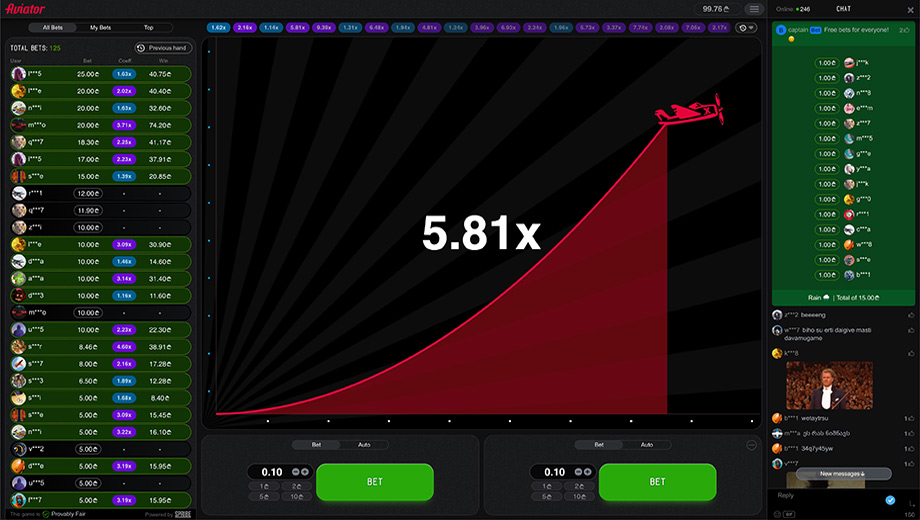
With manual play, you choose when to place a bet and when to cash out. This can make it easier to pause after a round, change your stake, or stop for the day. It also lets you respond directly to what is happening on screen, although a fast-moving round can make timing stressful.
Manual control can suit someone who wants to play only a few rounds and keep close track of each decision. But it is not a way to beat the game. A player may cash out early and often, or chase a higher multiplier, yet neither habit guarantees a positive result over time. A sequence of previous low or high multipliers does not tell you when the next flight will end.
Advantages and limitations
- More direct oversight: You decide whether to participate in each round and when to cash out.
- Easy to pause: You can step away between rounds without waiting for an automated sequence to finish.
- Demands attention: Missing a cash-out moment or misreading the controls can affect your result.
- Can encourage impulsive choices: Rapid rounds may lead to rushed decisions or attempts to recover losses.
Auto Play: convenience with boundaries
Auto Play can repeat bets for a chosen number of rounds or until a condition you set is met. Depending on the platform, available controls may include a fixed stake, an automatic cash-out multiplier, a round limit, or stop conditions tied to wins and losses. Check the interface carefully: features differ, and an option may not be available on every Ugandan-facing site.
Automation reduces the need to click every round, but it does not improve the odds. It can also make it easier to lose track of time and spending because bets continue without a fresh decision each time. Before turning it on, inspect the stake, round count, cash-out setting, and any stop limits. If you cannot clearly identify how to stop the sequence, do not start it.
- Less repetitive clicking: Useful if you want a preset sequence rather than managing every round.
- Consistent settings: The same stake and cash-out instruction can be applied repeatedly.
- Reduced moment-to-moment oversight: You may not notice how quickly rounds and losses accumulate.
- Settings are not a strategy guarantee: A stop-loss or target can limit exposure, but cannot turn random outcomes into a certain win.
Auto Play vs manual: which works better?
Neither mode works better in terms of changing the game’s mathematical chances. Their main difference is how they distribute attention and decision-making. Manual play gives you a chance to reassess every round, while Auto Play follows instructions you set beforehand. The better fit depends on whether you can stay focused and stick to your limits.
| Consideration | Manual play | Auto Play |
|---|---|---|
| Round-by-round decisions | You place bets and cash out yourself | Actions repeat according to selected settings |
| Attention required | High during active rounds | Lower for clicking, but settings still need monitoring |
| Ability to reassess | Available between each round | Limited until you pause or the sequence ends |
| Effect on underlying odds | None | None |
| Best suited to | Players who want direct control and frequent pauses | Players who understand the controls and use strict limits |
If you are new to Aviator, manual play can help you learn the interface without committing to a long automated run. If you later use Auto Play, start with the smallest permitted stake and a short sequence. In either mode, avoid raising your stake to recover a loss or treating a cash-out setting as a reliable prediction.
Practical tips for playing responsibly
- Set a spending limit first. Decide how much you can afford to lose before opening the game, and do not top up after reaching that limit.
- Choose a time limit. Fast rounds can make a short session feel much longer than it is.
- Use only money available for entertainment. Do not use funds intended for rent, food, school, transport, bills, or borrowing.
- Keep stakes consistent. Increasing bets after a loss can rapidly increase risk without improving your chance of winning.
- Test controls before betting. Confirm how cash-out, Auto Play, and the stop button work on your chosen platform.
- Take breaks. If you feel frustrated, pressured, or tempted to chase losses, stop playing and return only if you feel in control.
Where available, use the casino’s deposit limits, session reminders, cooling-off tools, or self-exclusion options. Age requirements and gambling rules can vary, so check the terms that apply to you and use only platforms you can independently verify. A game’s availability online does not itself confirm that a particular operator is authorised to serve players in Uganda.
Understanding the odds and results
Aviator results are generated round by round, and a multiplier is not a promise about how long a future flight will last. A high multiplier appearing recently does not mean another high one is due, and a run of early crashes does not mean a big payout must follow. This is the gambler’s fallacy: treating independent random outcomes as if they were correcting a pattern.
The return to player or house edge, if disclosed, describes expected results across a very large number of plays. It does not predict what will happen in a short session or guarantee that an individual will recover a stake. Read the game information provided by the operator, including any details about rules, limits, and the provider. If those details are missing or unclear, consider choosing another platform.
Questions and answers
Does Auto Play increase my chance of winning?
No. It automates actions but does not make the game’s outcomes more favourable. A cash-out instruction may affect when a bet settles, not whether a particular multiplier will occur.
Is manual play safer?
Manual play makes it easier to decide whether to join each round and to pause, but it is not inherently safe or profitable. Staying within a budget and stopping when planned matter more than the control mode.
Can I set Auto Play to stop after a loss?
Some versions offer stop conditions, while others may have different limits. Check the actual settings on the site you use. Never assume the game will stop automatically unless you have verified the selected condition.
What should a beginner do?
Learn the interface with free-play or demo mode if the platform offers it. If you decide to play for money, start small, use a fixed budget, and avoid Auto Play until you understand every setting and know how to stop it.
Verdict
For players in Uganda, manual play is generally the more straightforward starting point because it requires a fresh decision each round and makes it easier to pause. Auto Play can be convenient for experienced users who understand the controls and set firm limits, but convenience can also encourage longer sessions. Neither option beats the game or removes the risk of losing your stake.
Choose the mode that helps you remain attentive and within your limits. If you find yourself chasing losses, hiding your play, or spending money you need for essentials, stop and seek support from someone you trust or a local professional service. Treat Aviator as entertainment with a cost—not as a way to earn income.