
Choosing the Right Pokies: A Practical Walkthrough for Australian Players
septembre 12, 2026How to Read the Lobby Before You Play

Walking onto a casino floor, the first thing you notice is the noise and the lights, but the real work happens before you sit down. In my four decades managing pits across four regions, I have seen players lose money simply because they never bothered to read the lobby layout. A well-organised lobby tells you what the venue values, much like how a pit boss arranges tables to manage traffic flow. You should look for clear categories, search functions that actually filter by provider, and a mix that includes both slots and live table content if you want variety. When you are scanning for pokies tips for choosing machines, the lobby itself is your first filter, because a cluttered interface usually signals a operator that has not invested in proper curation. I once watched a shift supervisor in London reorganise a digital floor to match high-traffic periods, and the result was fewer complaints and better session control. That same discipline matters here. If a lobby feels chaotic, treat it as a warning sign rather than a feature. Check whether the game mix leans heavily toward one provider or spreads risk across several studios, and note whether the search bar returns sensible results when you type a name or theme. A lobby that helps you find what you want quickly is saving you time and protecting your bankroll from impulse clicks.
Reading the Screen and the Paytable
Volatility and Hit Frequency
The first thing to check on any machine is how often it pays and how large those payouts tend to be. Volatility tells you whether a game drips small wins frequently or holds back for less frequent, larger moments. I have trained dealers to explain this in plain terms because players who understand hit frequency make better decisions about session length. If you prefer longer play time, a lower volatility option usually suits you better, whereas a higher volatility machine asks for more patience and a larger reserve. There is no magic setting that changes these numbers, and no button will override the programmed math. Treat the paytable as a factual document, not a promise, and read it before you commit any credit.
Max Lines, Bet Levels and Autoplay
Next, look at how the machine lets you set your wager. Some titles lock you into fixed lines, while others let you adjust bet levels across multiple paylines. I have seen players accidentally bet far more than they intended because they never checked the max line setting after switching games. Autoplay can be convenient, but it also removes the pause that lets you reassess your session. Use it sparingly, and always set a stop condition rather than letting it run unchecked. If a machine offers a clear way to adjust your stake without jumping through menus, that is a practical advantage for anyone who wants control.
RTP Information and What It Actually Means
Return to player figures are often quoted, but they are long-term averages, not a guarantee for any single session. I have sat with high-rollers who understood this distinction and played accordingly, and I have seen others chase a number that was never going to help them in the moment. RTP is useful for comparing games over time, but it does not tell you when a machine will pay or whether your next spin will be profitable. Use it as one data point among several, alongside volatility, theme, and how comfortably the interface fits your style. If a venue or platform publishes RTP openly, that is a reasonable sign of transparency, but treat the figure as context rather than a forecast.
Matching Machines to Your Play Style
Not every machine suits every player, and the best choice is the one that fits how you actually like to play. If you enjoy longer sessions with smaller swings, look for games that match that rhythm rather than chasing a big hit that may never arrive. If you prefer shorter, sharper sessions, a machine with a different volatility profile may feel more comfortable. I have managed shifts where the same floor hosted both types of players side by side, and the ones who stayed longer were usually the ones who had matched the machine to their own habits. Think about your preferred pace, your bankroll comfort, and whether you want visual variety or a simpler screen. A machine that fits your style is easier to manage and less likely to push you into decisions you would rather avoid.
That mindset helps you stay in control without getting swept up in the hype. You can find platforms that support this measured approach at https://heapsowins100bonus.com/. It pays to choose a setup that keeps the experience enjoyable rather than stressful.
A Note on the Local Scene
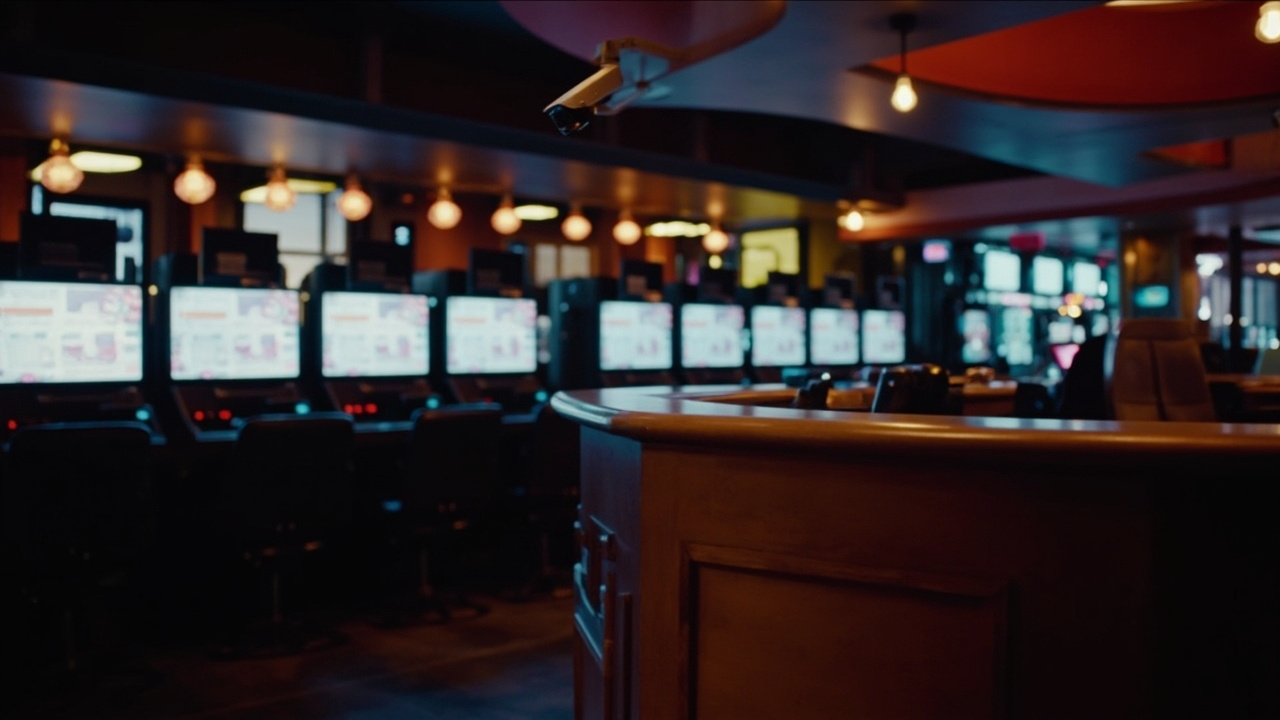
Australia has its own habits around pokies, and the local environment shapes how people choose machines. In Canberra, for example, you will find venues where the machine floor is arranged with a particular rhythm, and regulars often have a sense of which areas feel busy at different times of the day. I have spent time comparing that with international practice, and the differences are real. In the United States, machine selection is often tied to broader resort layouts and promotional calendars, while in parts of Europe the focus can sit more on table games and live dealing. New Zealand has its own machine culture too, with venues that cater to a different social pattern than what you see here. None of this changes the math on any individual machine, but it does affect how you experience the floor and how you plan a session. If you are comparing options, it helps to understand that the same game can feel different depending on the venue, the crowd, and the way the lobby is organised around it.
Glossary
- Volatility: how often and how large a machine’s payouts tend to be over time.
- Hit frequency: how regularly a machine returns any win on a spin.
- RTP: return to player, a long-term average figure expressed as a percentage.
- Paytable: the screen or panel showing symbol values, lines, and special features.
- Autoplay: a setting that runs a set number of spins automatically without manual input.
Choosing a machine is mostly about matching what is in front of you to how you want to play, not about chasing a feeling that the next spin will be different. Read the lobby, check the paytable, understand volatility, and keep your session within what you are comfortable managing. The machines that suit you best are usually the ones that let you stay in control, and that is the practical standard worth keeping in mind.